Debate: Why Don’t We Participate (even) More?
The initiative was part of the international project Acting4Democracy and focused on civic participation in Portugal. More than 30 people actively joined the conversation, alongside several visitors who stopped to listen and eventually joined the debate.
Estimated reading time: 5 minutes and 14 seconds
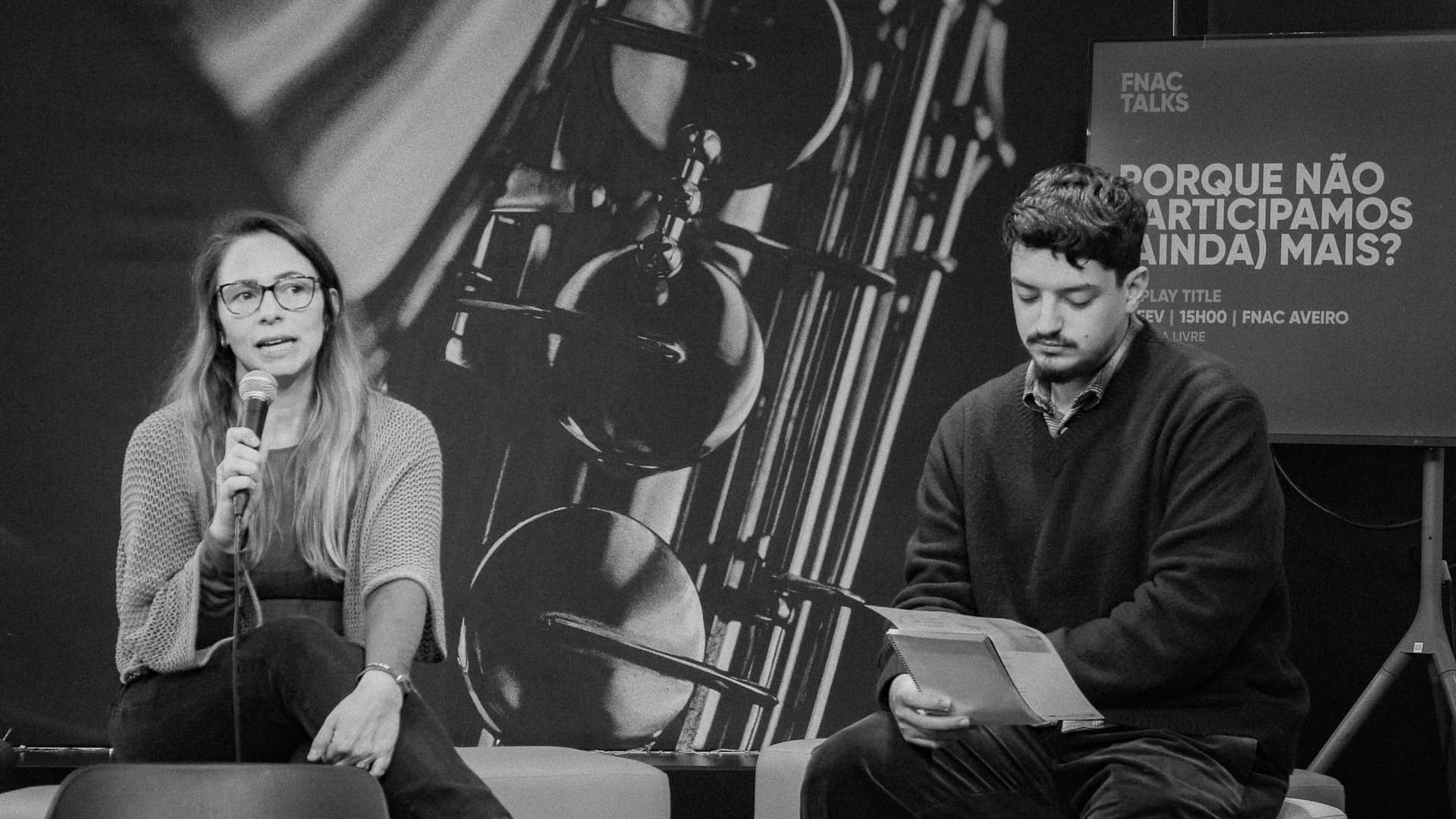
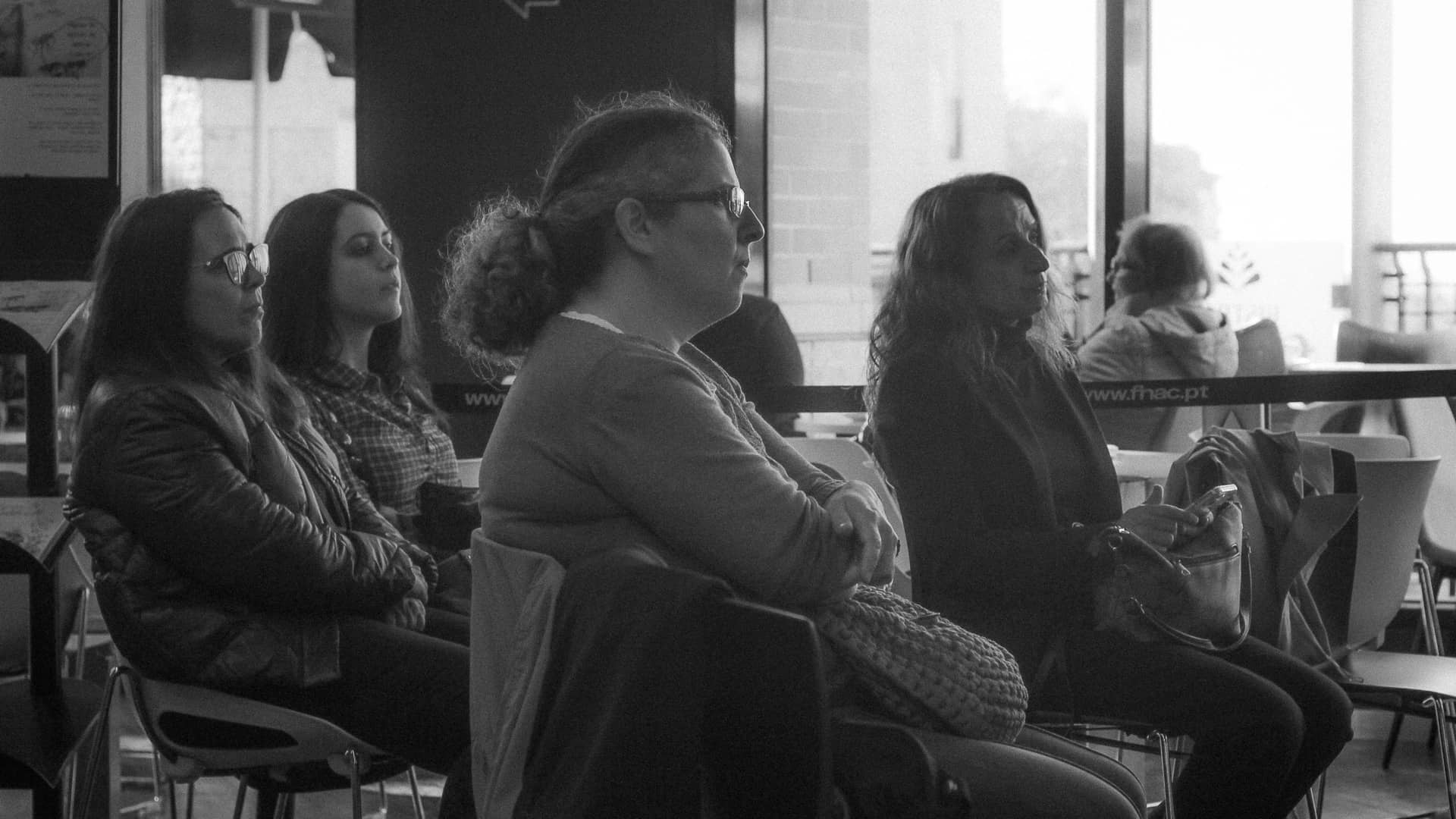
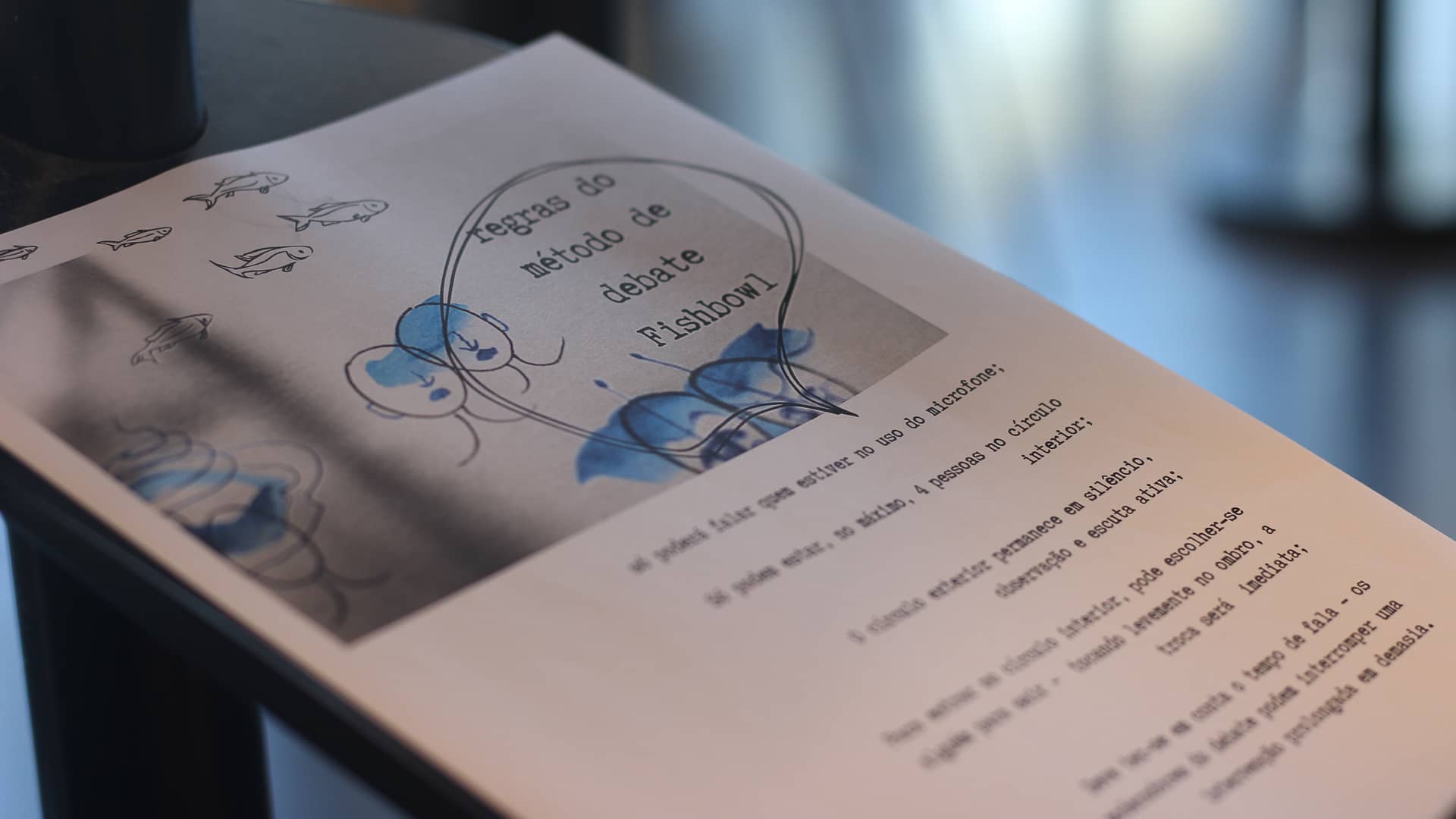
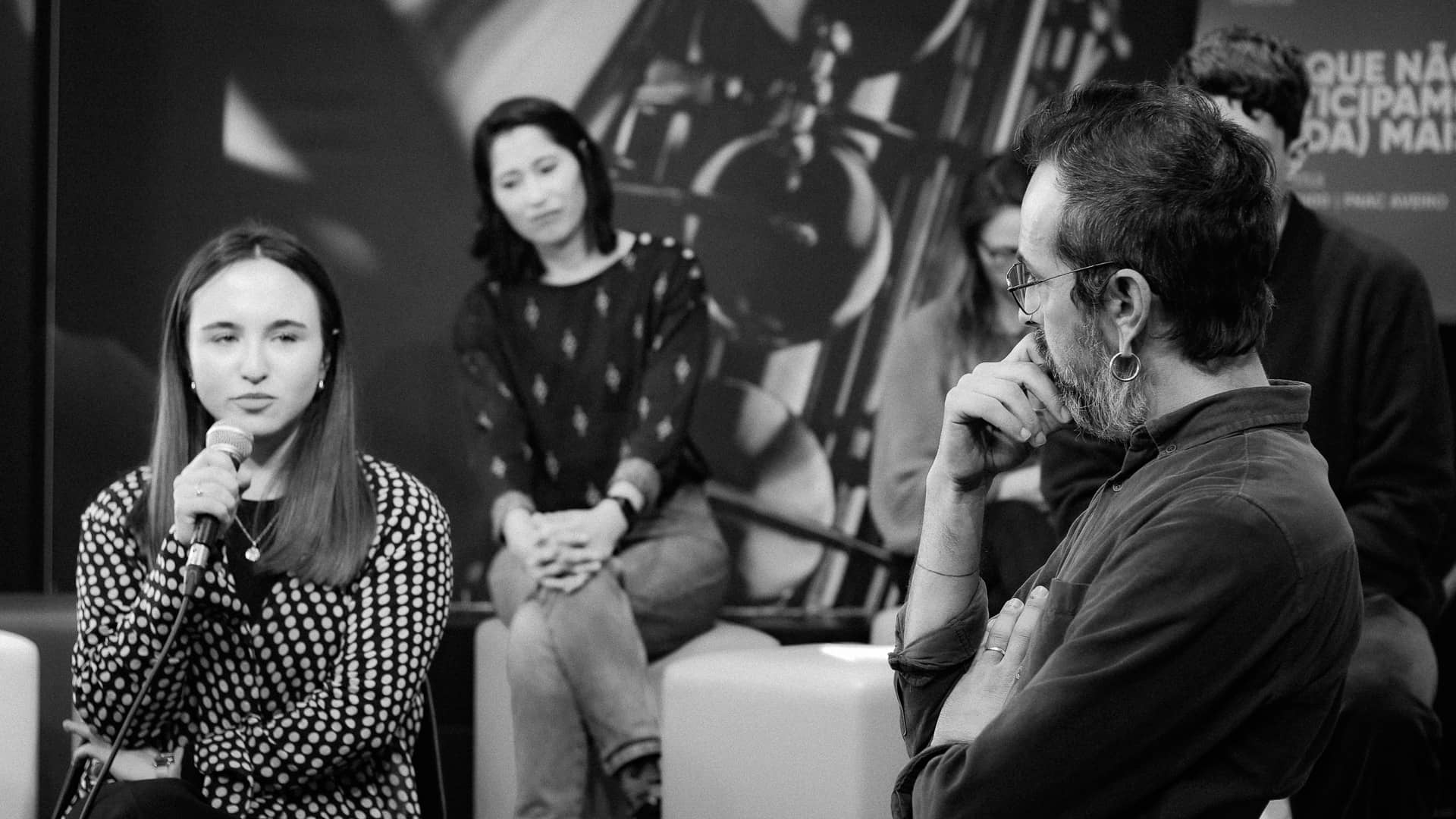

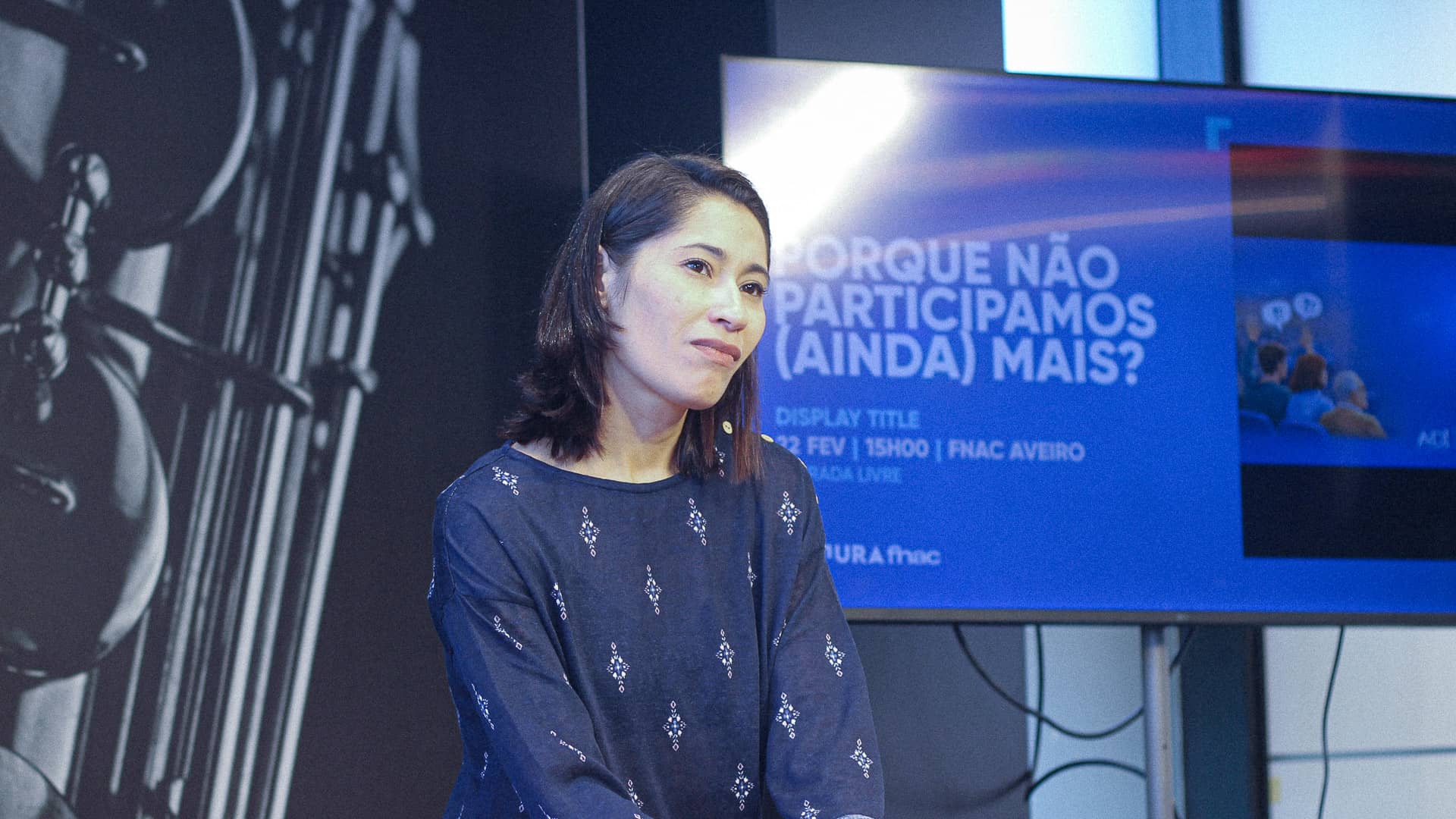
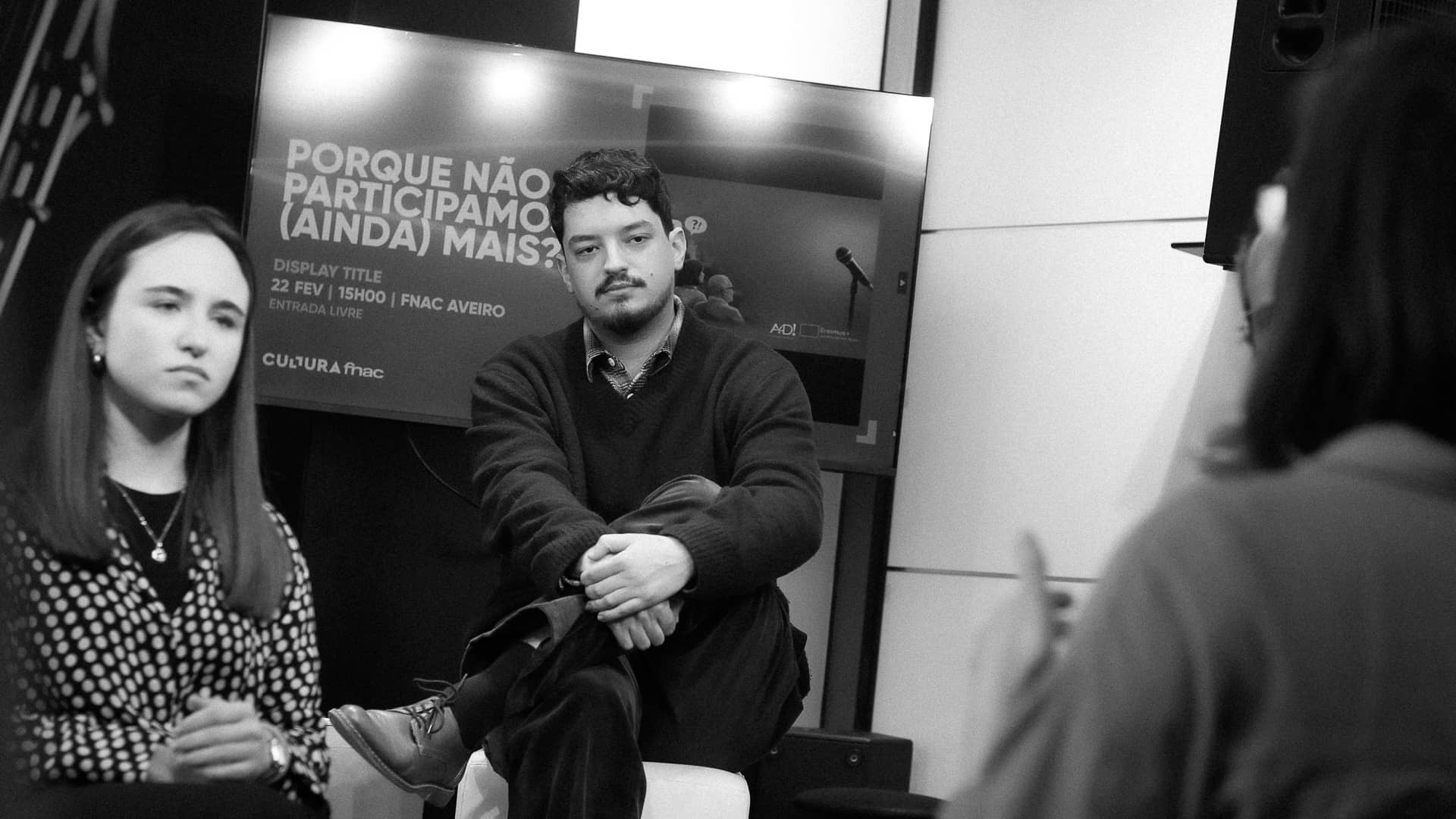
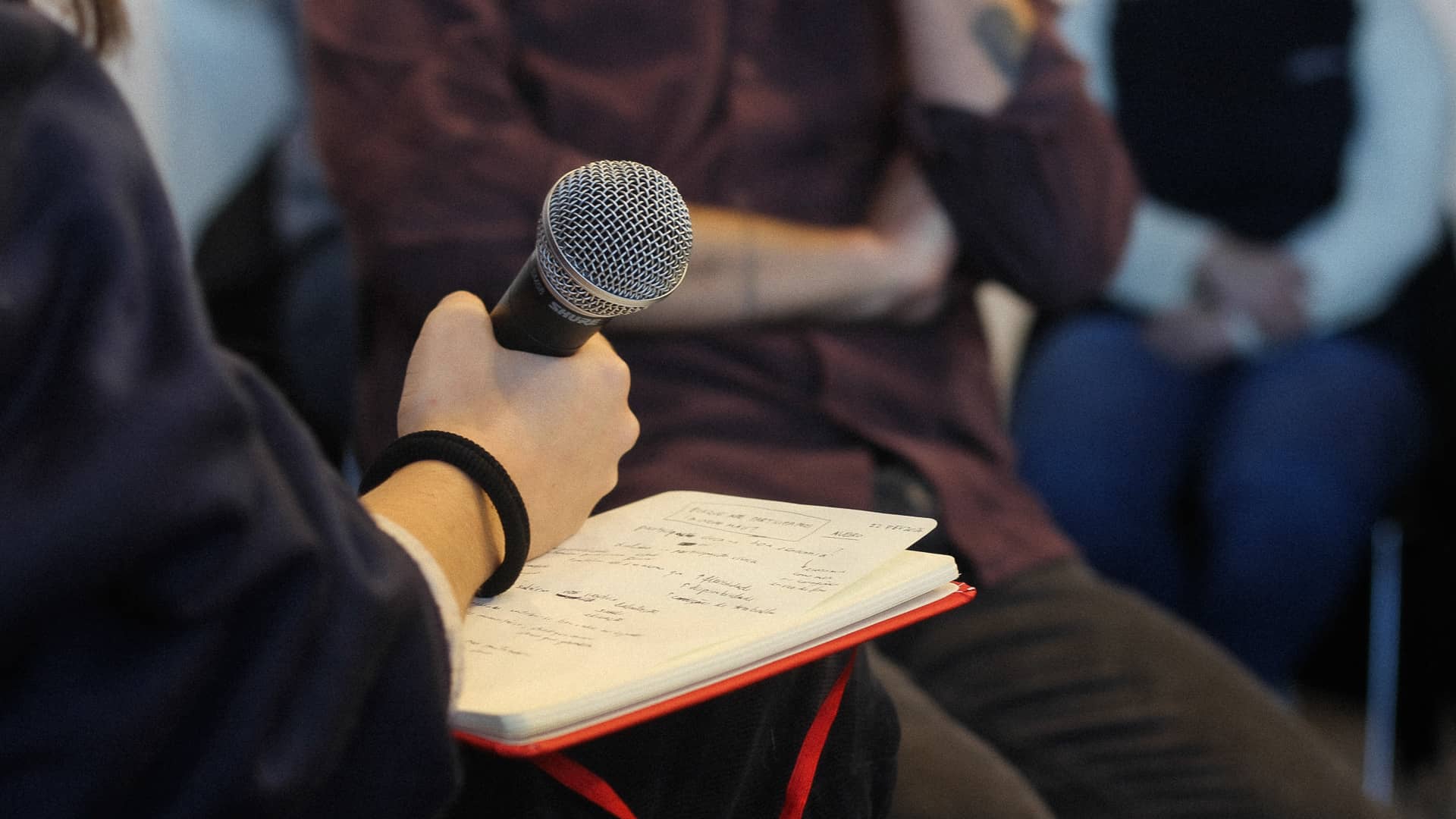
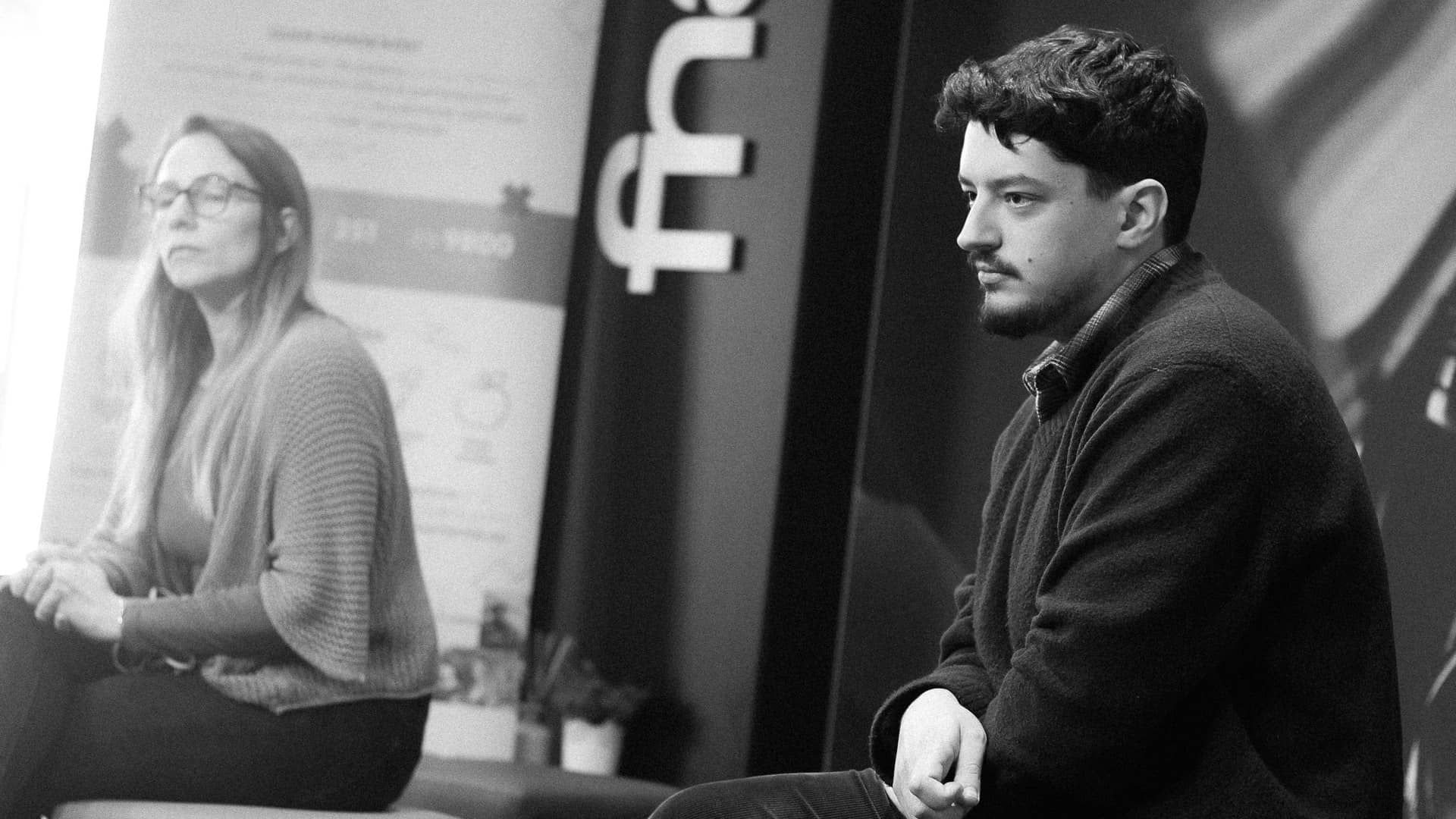
On the last Sunday of February, the FNAC space at Fórum Aveiro was transformed into a small laboratory of ideas about democracy and participation. It was there that Agora Aveiro hosted a debate in the fishbowl format, bringing together curious citizens, representatives of organizations, and members of political youth groups for an open conversation around a simple — yet not easy to answer — question: why don’t we participate more?
The debate, an initiative integrated within the international project Acting4Democracy, focused on civic participation in Portugal. More than 30 people took part in the discussion, not including additional visitors who stopped by, listened, and showed interest in the event.
Among the first participants were representatives of two of the country’s most significant political youth organizations: Juventude Social-Democrata and Juventude Socialista. We were also joined by representatives of several civil society organizations (not necessarily based in Aveiro) working in areas such as environmental issues, gender rights, and LGBT rights, including ORBIS, BioLiving, Rede Ex Aequo, among others.
Moderated by Diogo Albuquerque Nascimento, the debate began with a discussion on the role of the economy — always a relevant topic for the Portuguese — in shaping participatory life. The first question introduced a dilemma: does a healthy economy, where people feel financially secure, lead to a more active society? Or does the opposite happen — does an active and engaged citizenry lead to a more dynamic and prosperous economy?
There seemed to be a general consensus that healthy finances do help. When people have disposable income, they have more reasons to leave home and participate in local commerce and community life. However, the main role of disposable income is not consumption itself — rather, it provides stability at home. When we have fewer worries, we naturally feel more motivated to engage with life outside our homes.
The debate then moved to another equally — or perhaps even more — important topic: education. A culture of participation and proactive citizenship is cultivated in youth and in schools. In this sense, participants questioned whether it is necessarily the role of the State to promote an active civic life directly. Instead, it was suggested that the State’s role lies in promoting an education system that fosters critical thinking. While the definition of critical thinking may be somewhat vague, a common thread emerged: not assuming that everything is true, approaching the world with a degree of skepticism, asking questions, and remaining aware of one’s own position and circumstances.
The discussion then moved to another key question: what is the role of social media and mass technologies in civic participation? And as an additional question — would banning social media for people under 16 help young people “live more organically”?
“Yes and no,” argued the speakers.
On the one hand, prohibiting something often makes it more appealing, and even if such restrictions were implemented, almost no one capable of using a smartphone would be entirely free from social media. On the other hand, social media have proven negative effects on mental health. In terms of active participation, they can also have a crucially negative impact: they expand the user’s horizons to a level that human beings are not naturally equipped to process.
In other words, constantly being exposed to tragedies happening across the world can desensitize us to the tragedies around us. It can desensitize us to almost everything. As a result, we may feel less motivated to leave home, volunteer, protest, attend cultural events, or engage in community life — because we start to think: what difference will it make?
And so the debate came to an end. Due to time constraints it concluded earlier than many would have liked, but the conversation was so engaging that a second edition was already promised.
According to the OECD, Portugal has many of the conditions necessary for a strong and active democratic life: freedom of expression is among the most protected in the world, and stability and security prevail — especially in an increasingly unpredictable global context. Yet Portugal is also among the OECD countries where civil society appears more dormant. People rarely initiate civic actions, and when they do, there is often insufficient motivation or funding to sustain them. The goal of this debate was precisely to open a dialogue that could help us better understand why.
“Participating in this debate was a very enriching experience. The fishbowl format created a different kind of space, where listening to others became just as important as speaking. The conversation about civic participation in Portugal raised many questions — from the role of economic and cultural context to the way our cities or our relationship with nature can influence democratic engagement. It was inspiring to exchange such diverse perspectives and reflect together on how we can build a more active and participatory society,” shared one participant.
Although the debate did not lead to ready-made solutions, it left something equally important: new questions and a deeper awareness of the possible causes behind low civic participation. The shared reflection inspired many participants to approach the topic with renewed curiosity and critical thinking. We hope that these exchanges will help participants bring new ideas into their future work and explore ways to motivate young people to participate more actively in community life.
Our Erasmus+ project “A4D: Acting 4 Democracy,” implemented in partnership with the Serbian organization CEKOM, is now approaching its final stage. Yet we feel that this conversation is far from over. On the contrary, throughout this journey we realized that there is still much to explore, understand, and experiment with when it comes to civic participation and youth engagement. For this reason, even after the project formally concludes, Agora Aveiro intends to continue creating spaces for reflection, dialogue, and action around these questions, seeking new ways to encourage more active participation in our community.
This local activity was carried out within the framework of the project “Acting for Democracy: Defending European Values with Theatre and Activism”, organised by Agora Aveiro in collaboration with the Serbian association CEKON, under the Erasmus+ programme’s Small-Scale Partnerships in Youth (KA210-YOU). It is also supported by the Municipality of Aveiro.

Diogo Nascimento