“BRIDGE”: A Journey Through Stories of Migration
In a course that brought together young people from across Europe in Aveiro, stories of migration were shared, non-formal education methods were explored, and new ways to challenge prejudice were discovered.
Estimated reading time: 4 minutes and 51 seconds
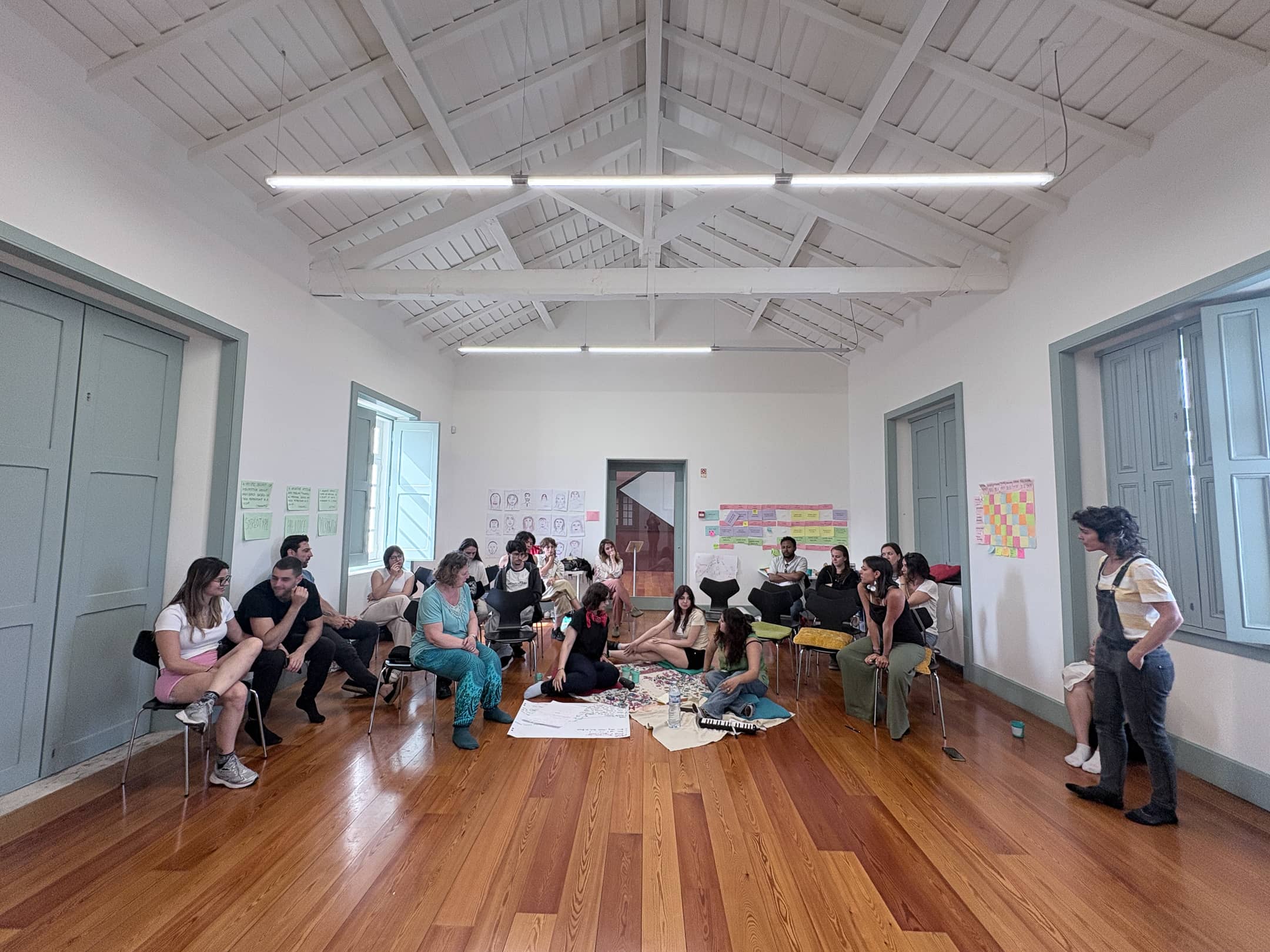
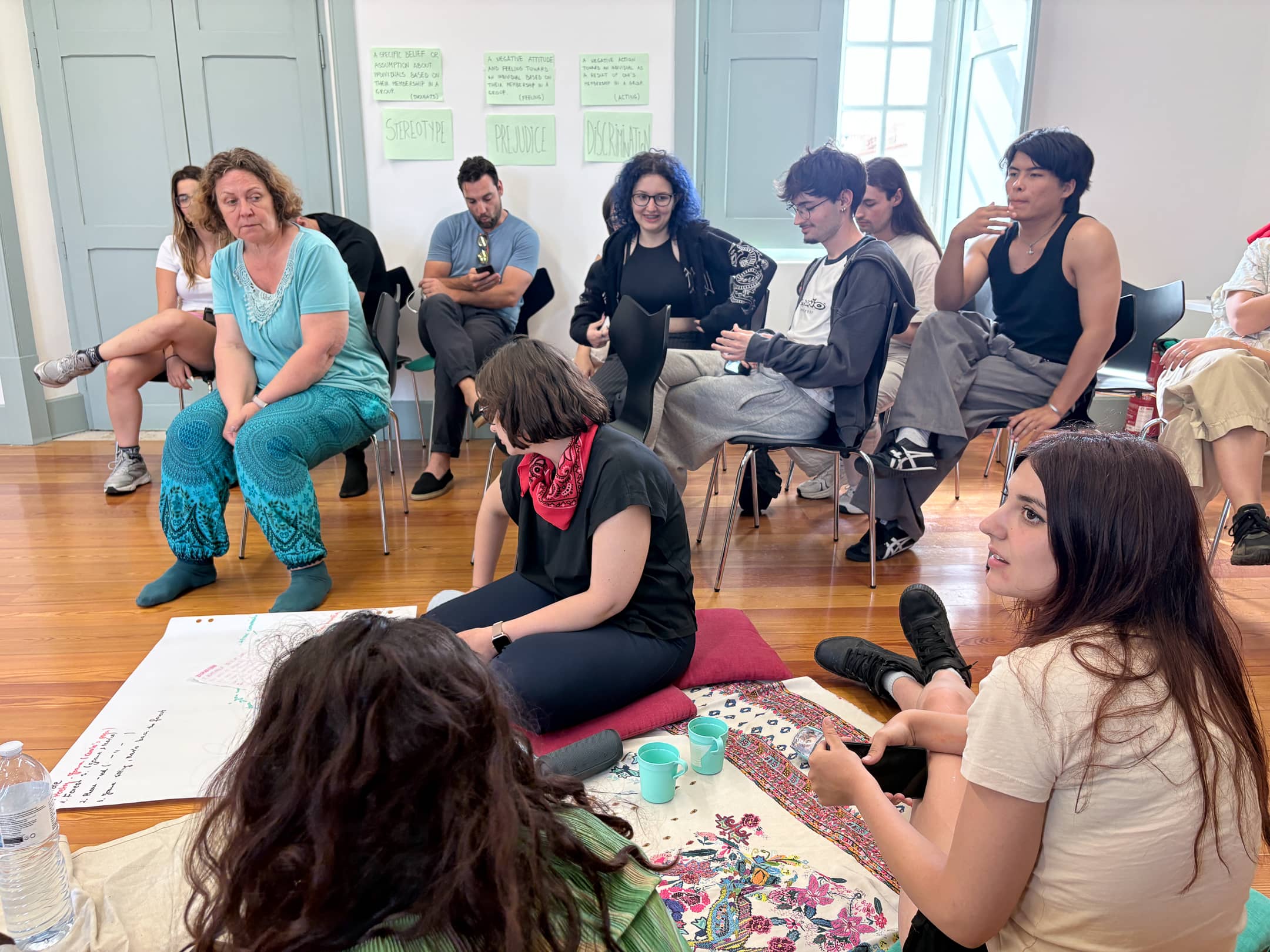
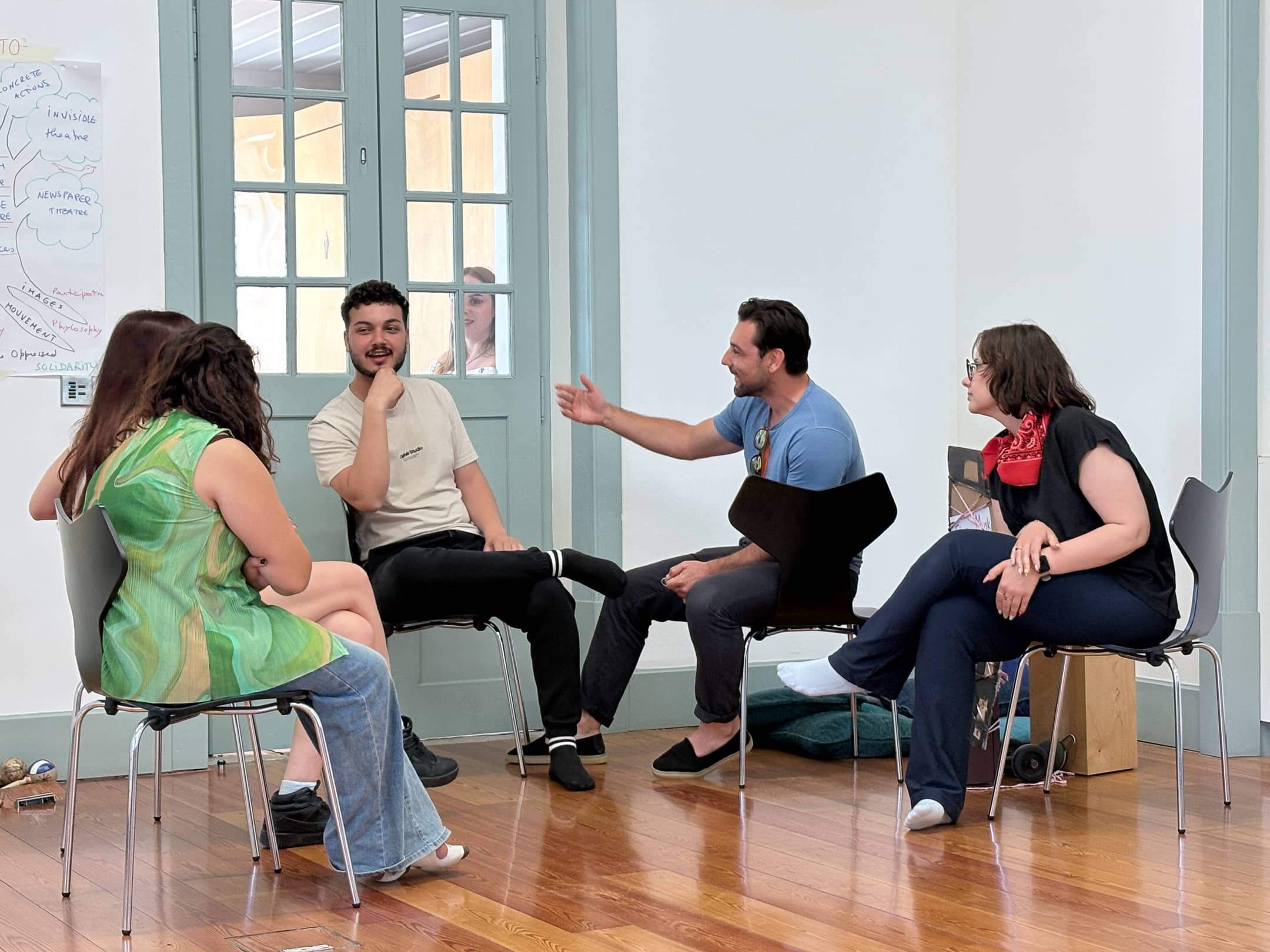
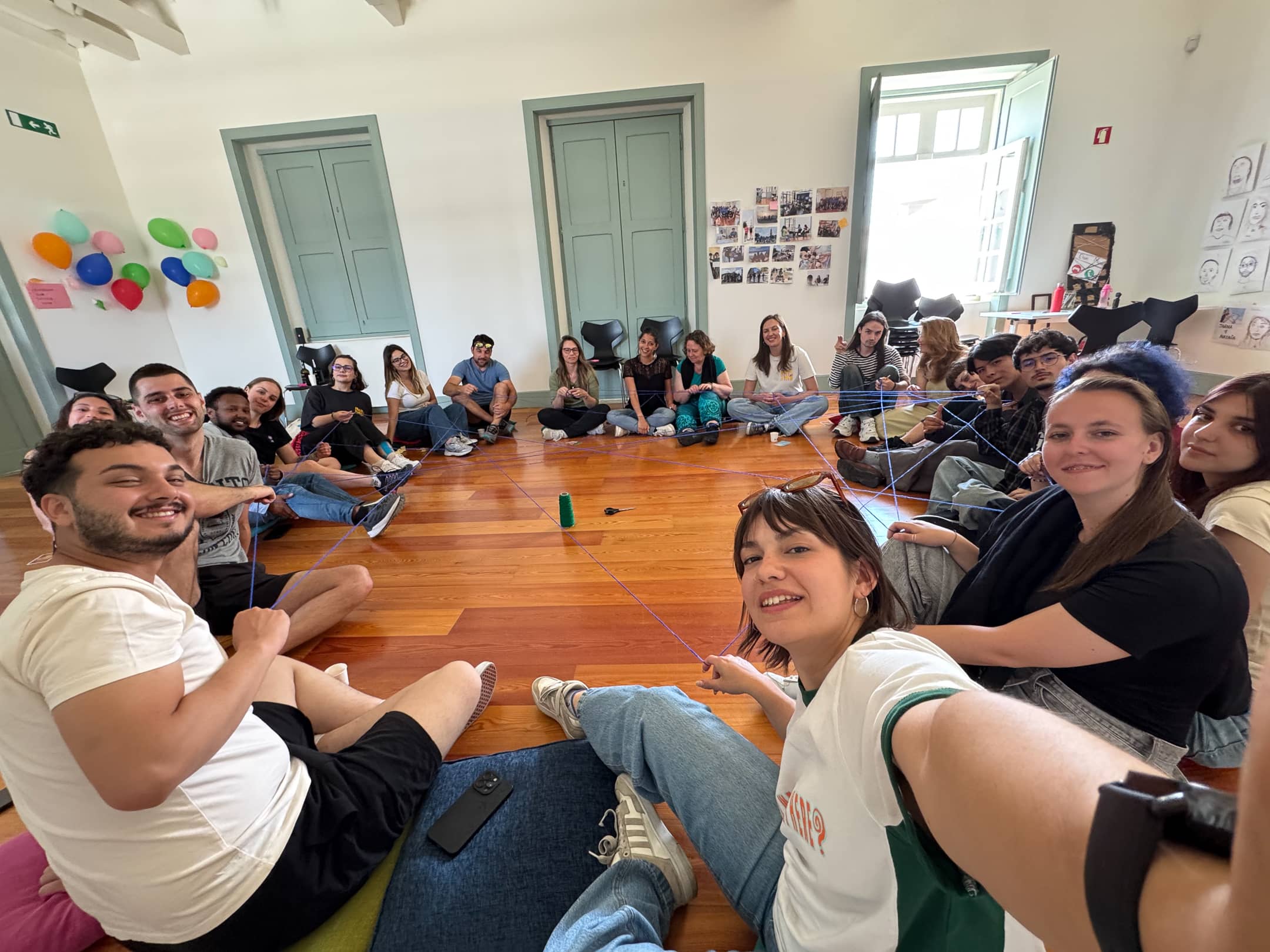
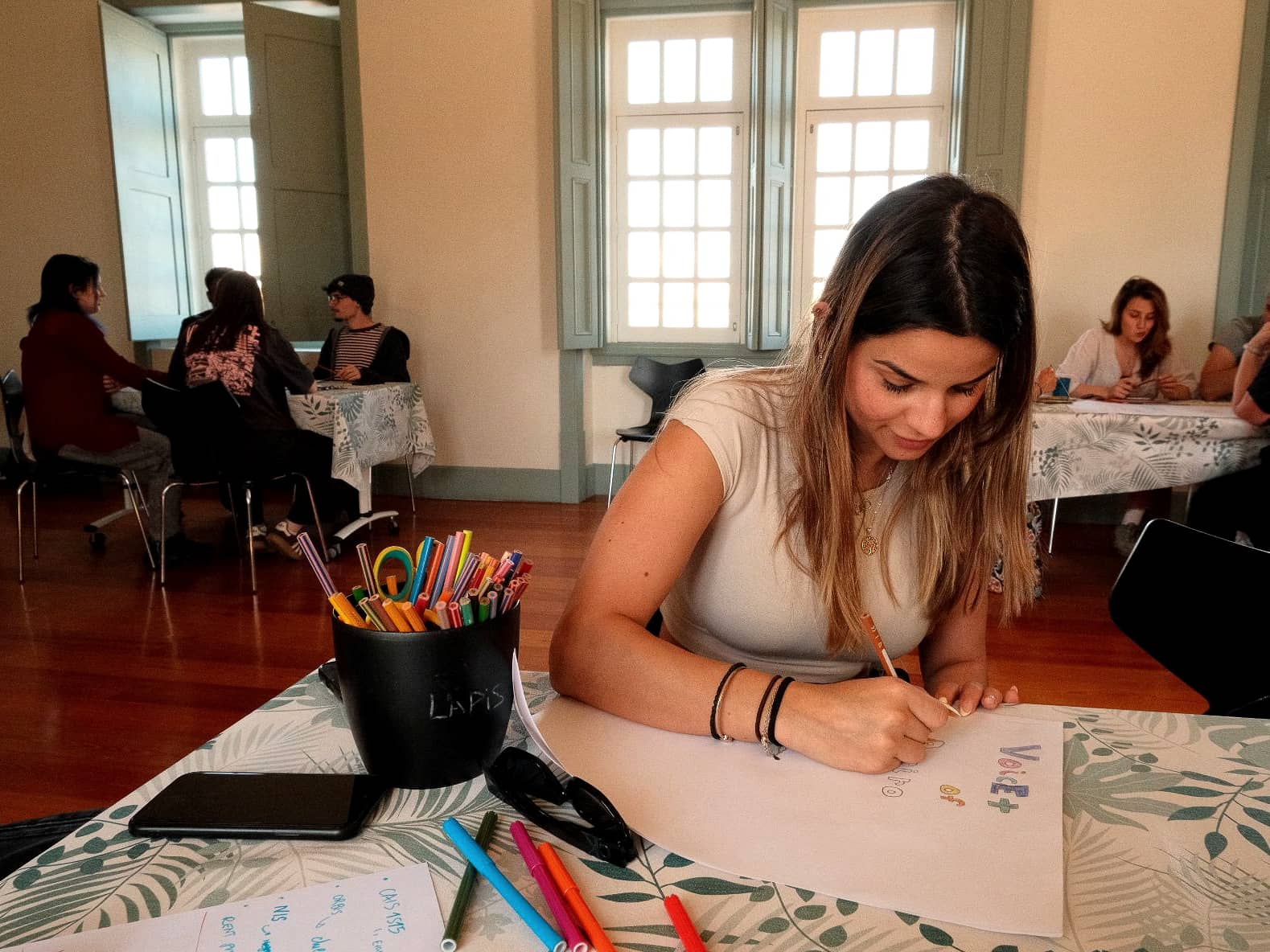
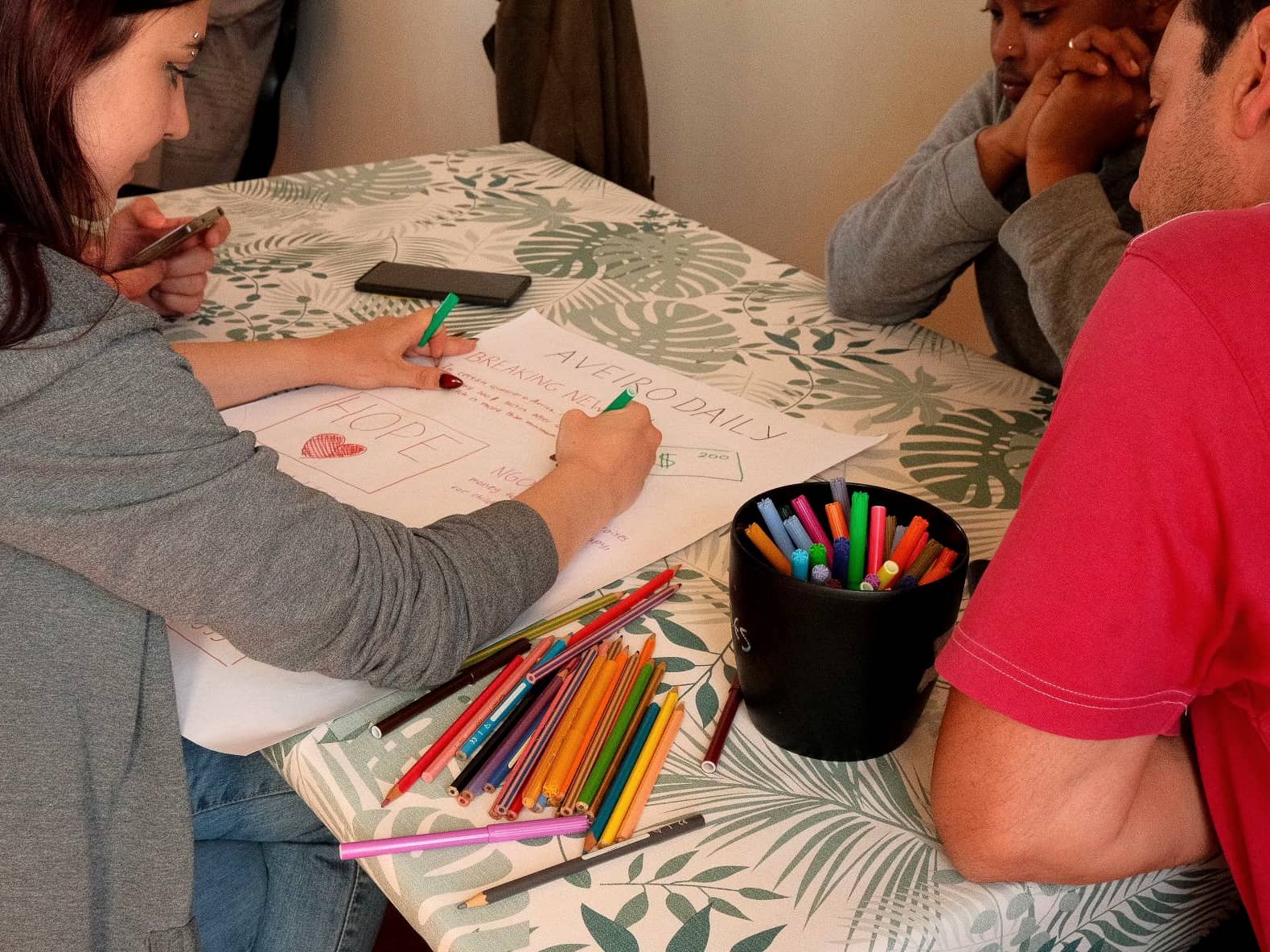
Between 15 and 25 May 2026, Aveiro became a meeting point for 27 youth workers, volunteers, activists and educators from Cyprus, Croatia, Italy, Portugal, Poland, Serbia, Spain and Türkiye, who came together for the Erasmus+ Training Course BRIDGE – Building Resilient, Inclusive, Diverse, Global Environments.
Organised by Agora Aveiro, the training was created in response to one of the most important challenges facing our societies today: how can we build communities where diversity is embraced, stereotypes are challenged, and everyone has the opportunity to belong?
For nine intensive working days, participants explored topics such as migration, prejudice, discrimination, stereotypes, social inclusion and Global Education through non-formal education methodologies. Rather than focusing on ready-made answers, the programme encouraged participants to question assumptions, exchange perspectives and reflect critically on their own experiences and the realities of their local communities.
Learning from each other... and from the local community
One of the greatest strengths of BRIDGE was the diversity of the group itself.
Each participant arrived in Aveiro with different professional backgrounds, personal stories and experiences of working with young people - from faraway Turkish border city, through remote Spanish villages to vibrant streets of Zagreb and Rome, each one of them brought a unique perspective to Aveiro. Throughout the training, these different perspectives became one of the project's most valuable learning resources.
The programme was further enriched through meetings with local organisations and stakeholders, allowing participants to better understand how inclusion is promoted at the local level and how cooperation between civil society organisations and public institutions can create stronger and more resilient communities.
From learning to action
What made BRIDGE unique was its strong emphasis on practical application and a strong connection to local community in Aveiro, as a lab for testing the new tools.
Instead of ending the training with discussions inside the room, participants were challenged to transform ideas into action.
Working in three international teams, they designed, planned and implemented three public activities that engaged directly with the local community of Aveiro.
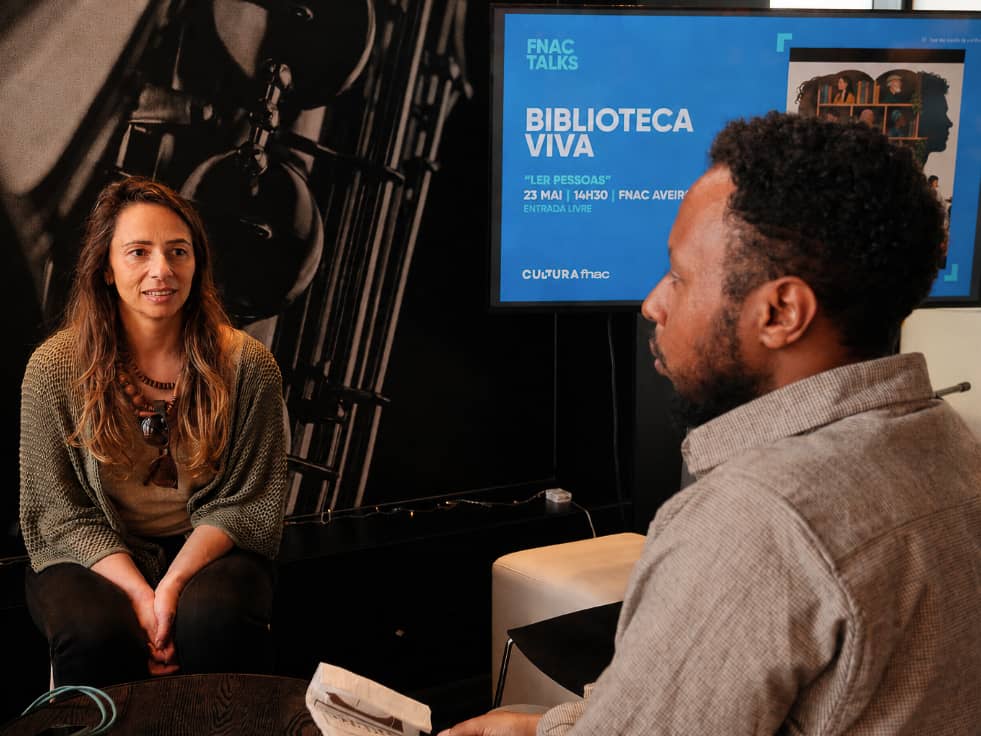
The first team organised a Human Library, creating meaningful conversations between people with different life experiences and encouraging participants to challenge stereotypes through dialogue rather than assumptions.
The second team developed a Guerrilla Marketing Action, using creative public interventions to invite citizens to reflect on discrimination, inclusion and diversity in unexpected ways and provoking “aveirenses” to stop and think about discrimination, diversity, stereotypes and inclusion.
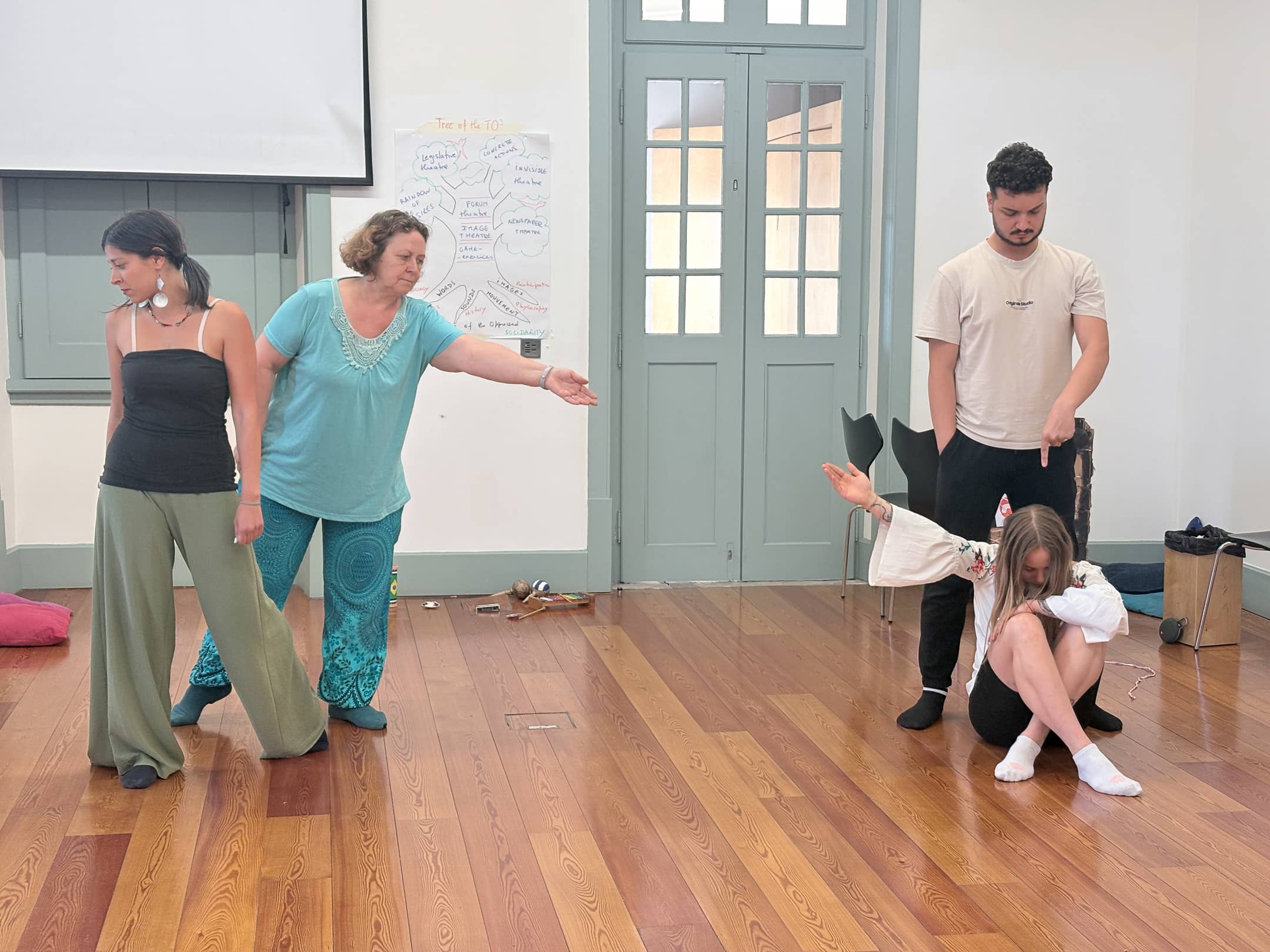
The third team created and performed the original Theatre of the Oppressed performance. After several days of collaborative work with an experienced trainer, participants presented three Forum Theatre pieces addressing prejudice, exclusion and injustice in the frame of gender based violence, inviting the audience not only to observe but also to become part of the search for solutions.
These public activities took place in the historic Old Train Station of Aveiro, made available by the Municipality of Aveiro, transforming a public space into a place for dialogue, participation and community engagement.
A transformative experience
The final evaluation showed that BRIDGE was overall a very positive learning experience.
Participants consistently highlighted that the opportunity to immediately put ideas into practice made this experience different from many other Erasmus+ projects they had previously attended.
Several participants shared that they intend to organise Human Libraries, facilitate Theatre of the Oppressed workshops, introduce guerrilla communication techniques and use the non-formal education methods experienced during BRIDGE in their own organisations and local communities.
Many youth workers also described significant personal growth. They spoke about becoming more confident, developing a deeper understanding of migration and inclusion, challenging their own prejudices and stepping outside their comfort zones. Others emphasised that the friendships, trust and international connections built during the project were among its most valuable outcomes.
As one participant reflected:
"Putting ideas into immediate practice was one of the things I liked the most during this project."
Another wrote:
"This training course was special for me as we not only did many useful and great activities within the group but also we put our ideas into practice among Aveiro society. I loved that, so thanks for that opportunity."
And the third one said:
“I'm definitely using guerilla communication in the future, and I'm also considering cooperating with local artists back in Cyprus, to implement more theatre inspired workshops.”
These reflections demonstrate that BRIDGE achieved something that every educational project strives for: it inspired participants not only to learn, but also to act.
Beyond BRIDGE
Although the training has officially come to an end, its impact continues.
Across Europe, participants are already planning workshops, Human Libraries, Forum Theatre activities and other educational initiatives inspired by what they experienced in Aveiro. By sharing the methodologies and approaches explored during the training with colleagues, volunteers and young people in their own communities, they will multiply the project's impact far beyond its original duration.
Thank you note
Agora Aveiro would like to express its sincere gratitude to all partner organisations for their trust and cooperation, to the local organisations and stakeholders who generously shared their experience with our participants, and to every participant whose openness, commitment and willingness to learn made BRIDGE such a meaningful experience. Thank you dear colleagues from ORBIS, Cais1515, APROXIMAR and Casa Vera Cruz - Migrantes Aveiro, for always standing by our side.
A special thank you goes to the Municipality of Aveiro for making the Old Train Station available for our public activities and helping us bring the project closer to the local community and to the Portuguese Institute of Sport and Youth (IPDJ, I.P.) for constant support.
Projects like BRIDGE remind us that more inclusive societies are not built through ideas alone. They are built when people meet, listen, question, collaborate and have the courage to turn learning into action.

Agora Aveiro
